Signs Your Brakes Need Replacing (Don't Ignore These)
Signs your brakes need replacing: squealing, grinding, vibration, a soft pedal, and longer stopping distances — plus what each symptom means, what it costs to
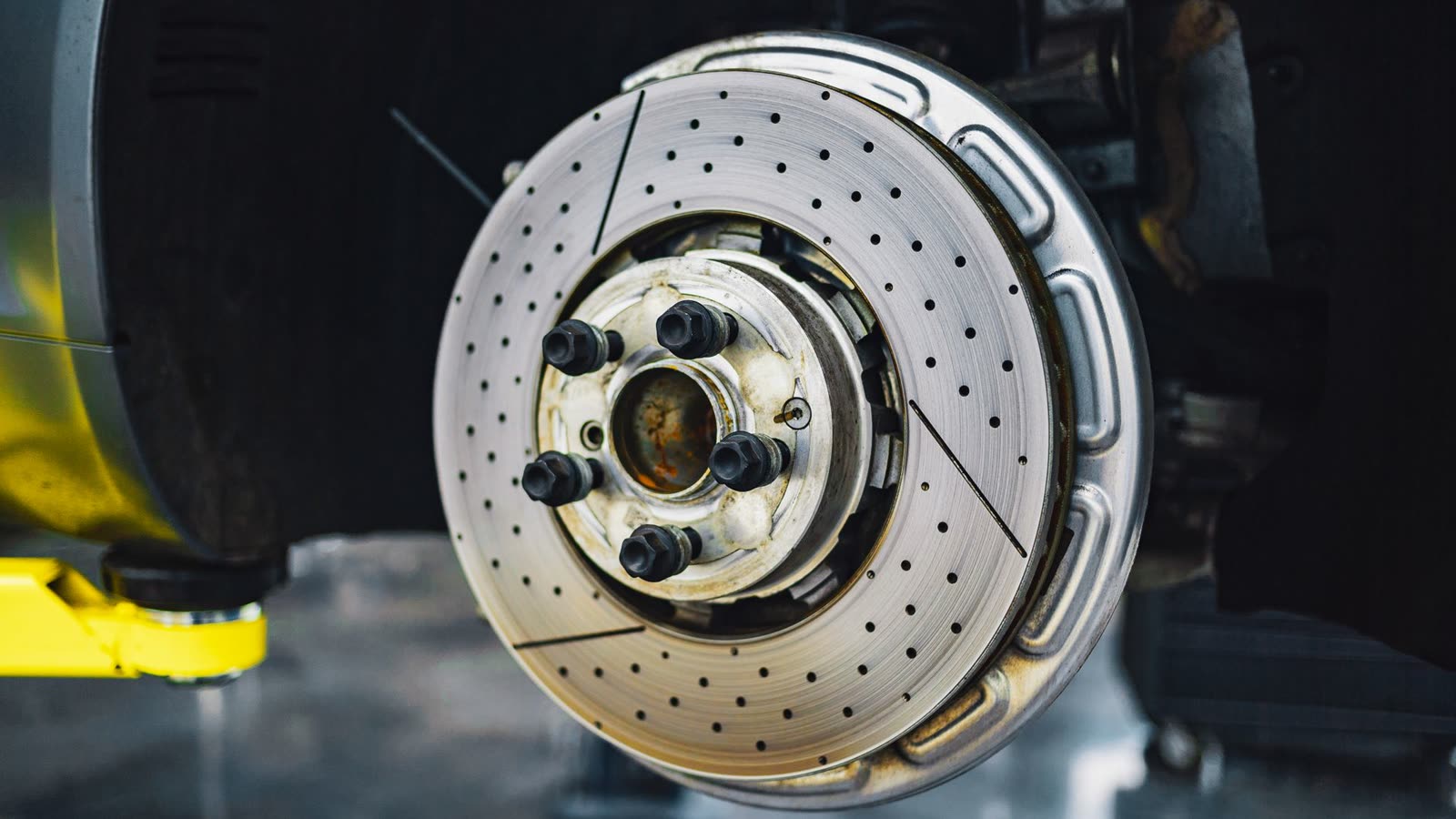
Photo: Pexels
Squealing and grinding: the sounds that warn you
A high-pitched squeal when you brake is the most common warning sign, and it is usually the wear indicator — a small metal tab on the brake pad that contacts the rotor when the pad wears thin. The squeal is designed to be annoying, and it means you have about 1,000 to 2,000 miles of pad left. Book a brake inspection within a week or two.
Grinding is more serious. A grinding or growling noise means the brake pad has worn through completely and the metal backing plate is scraping against the rotor. This damages the rotor, doubles the repair cost, and reduces your stopping power. If you hear grinding, stop driving the car and have it towed to a shop — the brakes are no longer safe.
A clicking or rattling noise when you brake can mean a loose brake pad, a worn caliper, or a missing hardware clip. It is less urgent than grinding, but it should still be checked within a few days. Brake hardware is inexpensive, and a loose pad can wear unevenly or damage the rotor if ignored.
Vibration, pulsing, and pulling to one side
If the brake pedal or the steering wheel vibrates when you brake, the rotors are likely warped. Rotors warp from heat — repeated hard braking, driving with a stuck caliper, or braking hard after driving through water. Warped rotors reduce braking effectiveness and cause uneven pad wear. Resurfacing the rotors costs $50 to $100 per rotor, but most shops now replace them, at $100 to $200 per rotor including labor.
If the car pulls to one side when you brake, one side's brakes are working harder than the other's. The cause could be a stuck caliper, a collapsed brake hose, or uneven pad wear. Pulling is a safety issue, because it can cause the car to swerve during an emergency stop. Have it diagnosed immediately — a stuck caliper can also overheat and damage the rotor and the wheel bearing.
A soft or spongy brake pedal that sinks toward the floor is a serious warning. It usually means air in the brake lines, a brake fluid leak, or a failing master cylinder. If the pedal sinks, do not drive the car — have it towed. A brake fluid leak can lead to total brake failure, and the repair cost of $200 to $600 is trivial compared to the risk.
Longer stopping distances and the warning light
If your car takes longer to stop than it used to, the brakes are worn, the brake fluid is old, or the tires are worn. Test it safely: on an empty road at 30 mph, brake firmly and note the distance. If the car takes noticeably longer than you remember, or if the pedal feels soft, have the brakes inspected. Longer stopping distances are the most dangerous symptom, because they show up in an emergency when you need the brakes most.
The brake warning light on the dashboard can mean several things: the parking brake is on, the brake fluid is low, or the brake pads are worn. If the light comes on and the parking brake is off, check the brake fluid reservoir under the hood. If the fluid is low, there is a leak somewhere, and the car should not be driven until it is found.
The ABS warning light is separate. If it comes on, the anti-lock braking system has a fault, but the regular brakes still work. Have it diagnosed within a few days — the ABS is critical in a panic stop on a wet or icy road, and driving without it increases your stopping distance significantly.
How long brakes last and what affects it
Brake pads typically last 30,000 to 70,000 miles, and the range is wide because driving style matters more than mileage. A highway commuter who brakes gently can get 70,000 miles from a set of pads, while a city driver who brakes hard at every light may need new pads at 25,000 miles. Rotors last about twice as long as pads, or 60,000 to 120,000 miles.
The type of pad matters too. Ceramic pads are quiet and clean, and they last the longest, but they cost more. Semi-metallic pads are cheaper and handle heat better, which makes them the choice for trucks and performance cars, but they are noisier and produce more dust. Organic pads are the cheapest and quietest, but they wear the fastest.
Towing, mountain driving, and carrying heavy loads all wear brakes faster. If you tow a trailer, expect to replace pads every 20,000 to 30,000 miles. Regenerative braking in hybrids and EVs extends brake life dramatically — many hybrid owners report original pads lasting 100,000 miles or more, because the electric motor does most of the braking.
What a brake job costs
A brake pad replacement costs $150 to $300 per axle at an independent shop, or $250 to $400 at a dealer. Adding new rotors brings the cost to $300 to $600 per axle. A full brake job on all four wheels — pads and rotors — typically costs $600 to $1,200, depending on the car. Luxury cars and trucks cost more, because their brakes are larger and the parts are pricier.
The cost depends on the parts. OEM pads from the dealer cost more than aftermarket pads, but they are designed for your car and they are quieter. Aftermarket pads from a reputable brand like Akebono or Brembo are a good compromise — they cost less and perform well. Avoid the cheapest pads, which can be noisy, dusty, and short-lived.
A brake fluid flush costs $80 to $120 and should be done every two to three years, since brake fluid absorbs moisture and loses effectiveness. A caliper replacement, if one is stuck or leaking, costs $200 to $400 per wheel. These are not cheap repairs, but they are far cheaper than the accident that worn brakes can cause.
When to stop driving and call a tow truck
Stop driving immediately and call a tow truck if you hear grinding, if the brake pedal sinks to the floor, if the brake warning light is on and the fluid is low, or if the car pulls hard to one side when you brake. These symptoms mean the brakes are no longer safe, and driving the car risks your life and the lives of others. A tow costs $75 to $150; a crash costs far more.
Book a brake inspection within a week if you hear squealing, feel vibration when braking, notice longer stopping distances, or see the ABS light. These symptoms mean the brakes need attention soon, but the car is still safe to drive carefully to a shop. Avoid highways and leave extra following distance until the repair is done.
The best approach is prevention. Have the brakes inspected at every oil change or tire rotation — a visual check takes five minutes and it is usually free. A mechanic can measure the pad thickness and tell you how many miles you have left, so you can plan the repair instead of being surprised by it. Brakes are the most important safety system on your car, and they deserve your attention.
Frequently asked questions
How do I know if my brakes need replacing?
The main signs are squealing when you brake, grinding noises, vibration in the pedal or steering wheel, a soft or spongy pedal, the car pulling to one side, longer stopping distances, and the brake warning light. Squealing means the pads are thin; grinding means they are gone and the car should not be driven.
How long do brake pads last?
Brake pads typically last 30,000 to 70,000 miles, depending on driving style. Highway drivers can get 70,000 miles, while city drivers may need new pads at 25,000 miles. Hybrids and EVs last longer — often 100,000 miles or more — because regenerative braking does most of the work.
How much does it cost to replace brakes?
A brake pad replacement costs $150 to $300 per axle at an independent shop. Pads and rotors together cost $300 to $600 per axle, and a full four-wheel brake job runs $600 to $1,200. Luxury cars and trucks cost more because their brakes are larger.
Can I drive with squeaky brakes?
Yes, for a short time. Squealing is the wear indicator telling you the pads are thin, and you typically have 1,000 to 2,000 miles left. Book a brake inspection within a week or two. If the noise becomes grinding, stop driving immediately — the pads are gone and the rotors are being damaged.
What does it mean if my brake pedal feels soft?
A soft or spongy pedal usually means air in the brake lines, a brake fluid leak, or a failing master cylinder. It is a serious safety issue. Do not drive the car — have it towed to a shop. A brake fluid leak can lead to total brake failure.
Should I replace rotors with the pads?
Not always. If the rotors are smooth, thick enough, and not warped, they can be reused with new pads. If they are warped, grooved, or below minimum thickness, they must be replaced. Most shops recommend replacing rotors with pads on modern cars, since resurfacing is often not cost-effective.
Car prices and estimates on this page change often and are based on public information available in November 2026. Always verify the price, features and availability with a dealer before you buy. This article is for general information only and is not financial advice. Read the full Disclaimer.