How Often Should You Change Your Oil?
How often should you change oil in 2026? Modern synthetic oil lasts 7,500 to 10,000 miles, but driving conditions matter. We cover intervals by car type, oil
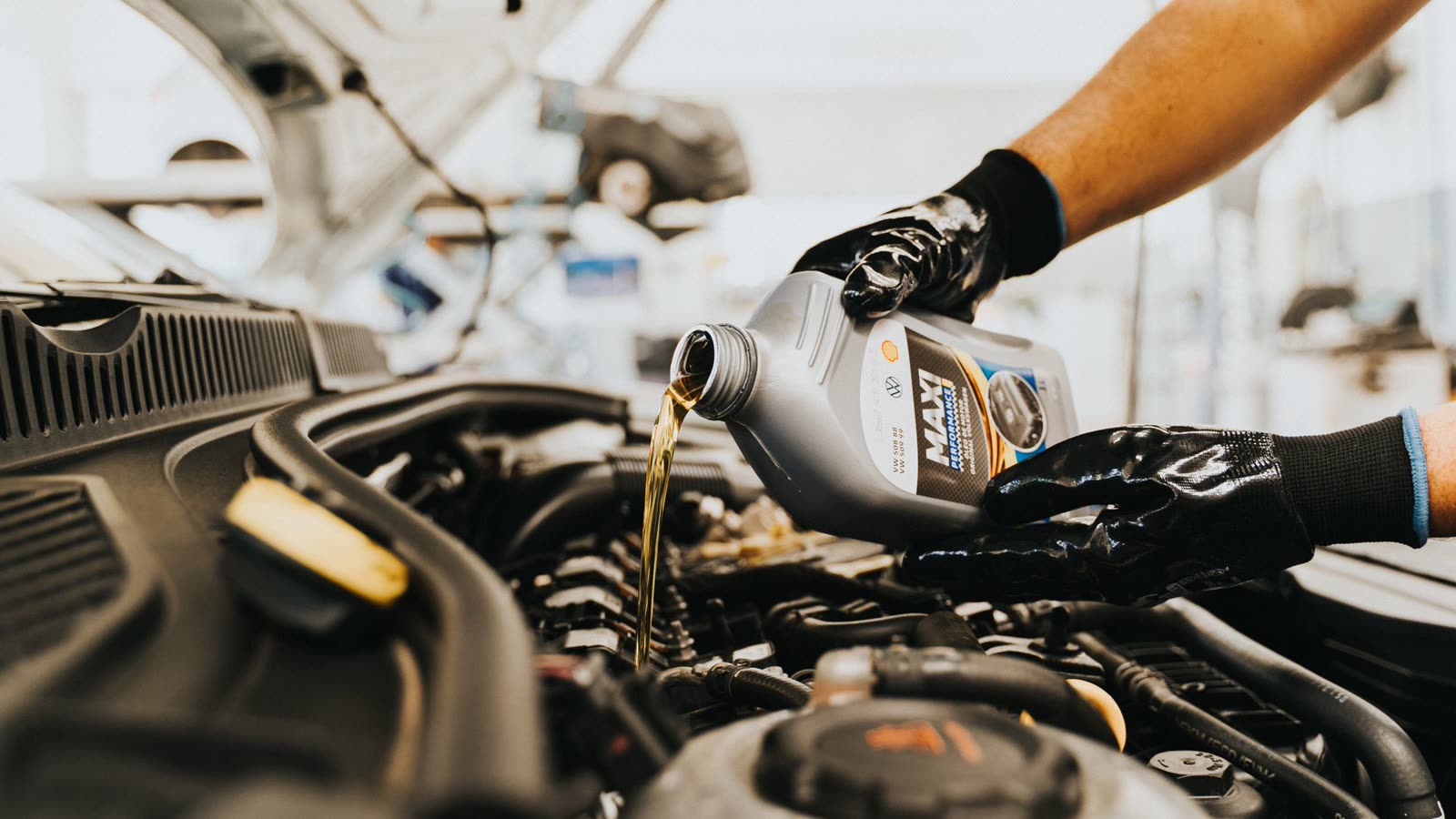
Photo: Pexels
The short answer: 7,500 to 10,000 miles for most cars
For most modern cars using full synthetic oil, the oil change interval is 7,500 to 10,000 miles, or once a year, whichever comes first. Your owner's manual gives the exact number for your car, and it is the authority — a Toyota Camry's interval is 10,000 miles, a Honda Civic's is about 7,500 miles, and a Ford F-150's is 7,500 to 10,000 miles depending on the engine.
The old 3,000-mile rule is outdated. It comes from an era of conventional oil and carbureted engines, and it has not applied to modern cars for more than a decade. Modern synthetic oil resists breakdown far better than conventional oil, and modern engines run cleaner and cooler. Changing oil every 3,000 miles wastes about $100 a year and does nothing for your engine.
If your car uses conventional oil — mostly older cars and some base-model trucks — the interval is shorter, typically 3,000 to 5,000 miles. Check your manual: it specifies the oil type and the interval. Using the wrong oil or the wrong interval can void your warranty and damage your engine.
What shortens your oil change interval
Severe driving conditions shorten the interval, and most Americans drive in severe conditions without realizing it. The manufacturer's definition of severe includes frequent short trips under 10 miles, stop-and-go city driving, driving in extreme heat or cold, towing, and driving on dusty roads. If most of your driving matches that list, follow the severe-service interval in your manual, which is typically 5,000 miles.
Short trips are the worst. When the engine does not fully warm up, moisture and fuel accumulate in the oil, diluting it and reducing its ability to protect the engine. A car that only drives 5 miles at a time needs more frequent oil changes than a car that drives 50 highway miles a day, even though the highway car covers more miles.
Turbocharged engines also need more attention. Turbos run extremely hot — over 1,000 degrees Fahrenheit — and they rely on oil for cooling and lubrication. Most turbocharged cars specify synthetic oil and a 5,000- to 7,500-mile interval, and skipping an oil change on a turbo engine can destroy the turbo, a $1,500 to $3,000 repair.
Synthetic vs conventional vs synthetic blend
Full synthetic oil is the best choice for most modern cars. It flows better in cold weather, resists breakdown at high temperatures, and lasts longer — 7,500 to 10,000 miles versus 3,000 to 5,000 for conventional oil. It costs more, about $70 to $90 for an oil change versus $40 to $60 for conventional, but the longer interval makes it cheaper per mile.
Conventional oil is fine for older cars that were designed for it, and it is the cheapest option. But it breaks down faster, especially in extreme temperatures, and it needs changing twice as often. For a car that specifies synthetic oil, using conventional oil is a false economy — the savings are small and the risk to the engine is real.
Synthetic blend is a compromise: part synthetic, part conventional, with an interval of about 5,000 to 7,500 miles. It is a reasonable choice for older cars that do not require full synthetic, and it costs about $50 to $70 per change. If your manual specifies full synthetic, use full synthetic — the manufacturer chose it for a reason.
Signs your oil needs changing now
The most reliable sign is your car's oil-life monitor, which tracks your actual driving and counts down to 0 percent. When it reaches 15 percent, book an oil change; at 0 percent, change it immediately. The monitor is more accurate than a mileage sticker, because it accounts for how you actually drive.
Check the oil yourself once a month. Pull the dipstick, wipe it, reinsert it, and pull it again. The oil should be amber and translucent on a gas engine, and it should reach the full mark. If the oil is black, gritty, or smells like gasoline, change it. If the level is low, top it up — a car that is a quart low is already at risk of engine damage.
The oil pressure warning light is an emergency, not a reminder. If it comes on, pull over and turn off the engine immediately — driving with no oil pressure destroys an engine in minutes. The check-engine light can also signal oil problems, and it should never be ignored. An oil change costs $50 to $90; an engine costs $5,000 to $8,000.
Oil change costs and where to get it done
An oil change at an independent shop costs $50 to $80 for synthetic oil, and $80 to $120 at a dealership. Quick-lube chains charge $60 to $90, but they are notorious for upselling services you do not need — cabin air filters, transmission flushes, and fuel-system cleaners that the manufacturer does not recommend. Politely decline anything not in your manual.
Doing it yourself costs $30 to $45 for oil and a filter, and it takes about 30 minutes once you know the process. You need a wrench, an oil pan, and a way to dispose of the used oil — most auto parts stores accept it free. DIY saves about $40 per change, or $160 over four years, and it is a good first DIY job for a new car owner.
Dealers are the most expensive option, but they use the correct oil and filter for your car, and they check for recalls and service bulletins during the visit. For a car under warranty, the dealer is a safe choice, though an independent shop using the correct oil will not void your warranty. The Magnuson-Moss Warranty Act protects your right to have maintenance done anywhere.
Oil change myths worth ignoring
Myth one: you must change oil every 3,000 miles. False for any modern car using synthetic oil. Follow your manual's interval, which is 7,500 to 10,000 miles for most cars. The 3,000-mile rule survives because quick-lube shops profit from it.
Myth two: dark oil means it needs changing. Oil darkens as it does its job — it picks up soot and contaminants, and that is normal. Dark oil that is still translucent and at the correct level is fine. Gritty oil, or oil that smells like fuel, is the real warning sign.
Myth three: you cannot switch between synthetic and conventional oil. You can, and it causes no harm. Synthetic and conventional oils are compatible, and mixing them is safe. But if your car specifies synthetic, use synthetic — the engine was designed for its properties, and conventional oil will not protect it as well.
Frequently asked questions
How often should I change my oil?
For most modern cars using full synthetic oil, every 7,500 to 10,000 miles or once a year. If you drive mostly short trips, tow, or drive in extreme conditions, follow the severe-service interval in your manual, typically 5,000 miles. Always check your owner's manual for the exact interval.
Is the 3,000-mile oil change rule still true?
No. The 3,000-mile rule is outdated and has not applied to modern cars for over a decade. Modern synthetic oil lasts 7,500 to 10,000 miles, and following the 3,000-mile rule wastes about $100 a year. Follow your owner's manual instead.
What happens if I do not change my oil?
Old oil loses its ability to lubricate and cool the engine, leading to sludge buildup, overheating, and eventually engine failure. An engine replacement costs $5,000 to $8,000, while an oil change costs $50 to $90. Skipping oil changes is the most expensive way to save money on a car.
Is synthetic oil worth the extra cost?
Yes for most modern cars. Synthetic oil lasts twice as long as conventional oil, protects better in extreme temperatures, and costs only about $20 more per change. Over a year, synthetic oil is actually cheaper per mile, and most manufacturers require it.
Can I change my own oil?
Yes. A DIY oil change costs $30 to $45 for oil and a filter and takes about 30 minutes. You need a wrench, an oil drain pan, and a way to dispose of the used oil — most auto parts stores accept it free. It is a good first DIY job, and it saves about $40 per change.
How do I check my oil level?
Park on level ground, wait a few minutes after turning off the engine, pull the dipstick, wipe it clean, reinsert it fully, and pull it out again. The oil should be between the low and full marks and amber in color. If it is low, add the oil type specified in your manual. Check monthly.
Car prices and estimates on this page change often and are based on public information available in November 2026. Always verify the price, features and availability with a dealer before you buy. This article is for general information only and is not financial advice. Read the full Disclaimer.