Car Maintenance Schedule Guide: What to Do and When
Car maintenance schedule guide: what your car needs at every mileage — oil, tires, brakes, filters, fluids, belts, and spark plugs — with costs and the
Photo: Pexels
Why a maintenance schedule matters
A car is the second-largest purchase most people make, and a maintenance schedule is the plan that protects it. Cars that follow the manufacturer's schedule routinely pass 200,000 miles, while cars that skip maintenance often need a $3,000 repair by 100,000 miles. The schedule is not a dealer upsell — it is the manufacturer's own engineering guidance, based on testing the car to failure.
The cost of following the schedule is modest: about $400 to $600 a year for a typical gas car, or $1,500 to $2,000 over three years. The cost of skipping it is far higher. A skipped oil change can destroy an engine ($5,000 to $8,000), a skipped timing-belt replacement can do the same ($3,000 to $5,000), and neglected brakes can lead to a crash. Maintenance is the cheapest insurance you can buy for your car.
Your owner's manual is the authority. It lists every service by mileage and time, and it is specific to your car — a Toyota Camry's schedule differs from a Ford F-150's. Keep the manual in the glovebox, and follow it rather than the dealer's more aggressive recommendations, which often add services the manufacturer does not require.
Every 5,000 to 7,500 miles: oil and tires
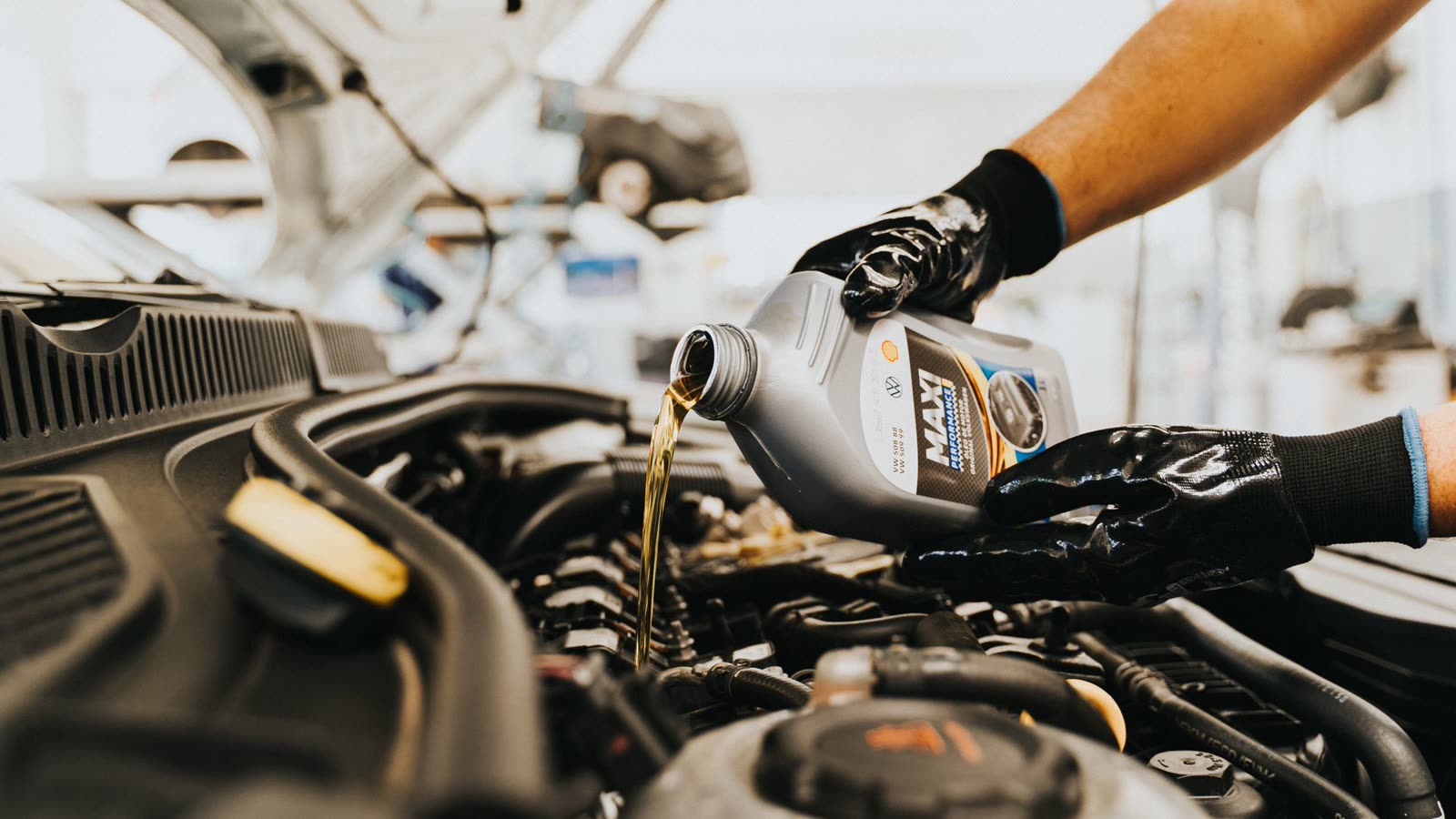
Engine oil is the most frequent service. Most modern cars use synthetic oil and need a change every 7,500 to 10,000 miles, though some older cars still need one every 5,000 miles. Check your manual — the interval is specific to your engine. An oil change costs $50 to $80 at an independent shop or $80 to $120 at a dealer, and it is the single most important service for engine life. Check the spare tire at the same time — a flat tire is far less stressful when the spare is inflated and the jack is actually in the car. In cold states, swap to winter tires before the first snow — the rubber stays flexible below 45 degrees, and the difference in stopping distance is large.
Tire rotation should happen at the same interval, every 5,000 to 7,500 miles. Rotation evens out wear between the front and rear tires, extending tire life by 10,000 to 20,000 miles. Many shops rotate tires free with an oil change, and it takes only a few extra minutes. Skipping rotation leads to uneven wear, noisy tires, and early replacement — a $600 to $900 expense.
At the same visit, have the shop check the tire pressure, the brake pads, the fluid levels, and the cabin air filter. These quick checks catch problems early, when they are cheap to fix. A brake pad worn to 3 millimeters is a $300 job; a brake pad worn to the metal is a $600 job plus new rotors.
Every 15,000 to 30,000 miles: filters and fluids
The engine air filter should be replaced every 15,000 to 30,000 miles, depending on driving conditions. A dirty air filter reduces fuel economy by 2 to 3 percent and robs the engine of power. The filter costs $15 to $30, and it takes five minutes to replace yourself — it is one of the easiest DIY jobs on any car.
The cabin air filter, which cleans the air you breathe, should be replaced every 15,000 to 20,000 miles. A clogged cabin filter reduces airflow from the vents and can cause musty smells. Dealers charge $50 to $80 to replace it, but the filter costs $15 to $25 and it is usually accessible behind the glovebox in under five minutes.
At 30,000 miles, the transmission fluid, coolant, and brake fluid should be inspected, and the transmission fluid may need changing depending on your car. Some manufacturers call their transmission fluid lifetime, but most mechanics recommend changing it every 60,000 miles for longevity. Brake fluid should be flushed every two to three years, since it absorbs moisture and loses effectiveness.
Every 60,000 to 100,000 miles: the big services
Spark plugs are due every 60,000 to 100,000 miles on most modern cars, and they cost $200 to $400 to replace. Worn spark plugs cause rough idling, poor fuel economy, and hard starting. Iridium plugs last longer than copper plugs, and your manual specifies the exact interval for your engine.
The timing belt, if your car has one, is the most critical service in this range. A timing belt typically needs replacement every 60,000 to 100,000 miles, and the job costs $500 to $900. If the belt breaks, the engine's pistons and valves collide, and the repair costs $3,000 to $5,000 — or the engine is destroyed. Many modern cars use a timing chain instead, which lasts the life of the engine and needs no scheduled replacement.
At 100,000 miles, the coolant should be flushed, the drive belts inspected, and the suspension components checked for wear. This is also the time to have the battery tested — most car batteries last three to five years, and a failing battery will leave you stranded. A new battery costs $150 to $250, and it is far cheaper to replace it proactively than to call a tow truck.
Tires, brakes, and batteries: wear items to watch
Tires last 40,000 to 60,000 miles depending on the type and your driving. Check the tread depth monthly with a penny: if you can see the top of Lincoln's head, the tire is worn out. Uneven wear signals an alignment problem, which costs $100 to $150 to fix and saves your tires. A set of four tires costs $600 to $1,200, and buying them before they are bald is a safety issue, not just a maintenance one. In cold states, swap to winter tires before the first snow — the rubber stays flexible below 45 degrees, and the difference in stopping distance is large.buying them before they are bald is a safety issue, not just a maintenance one.
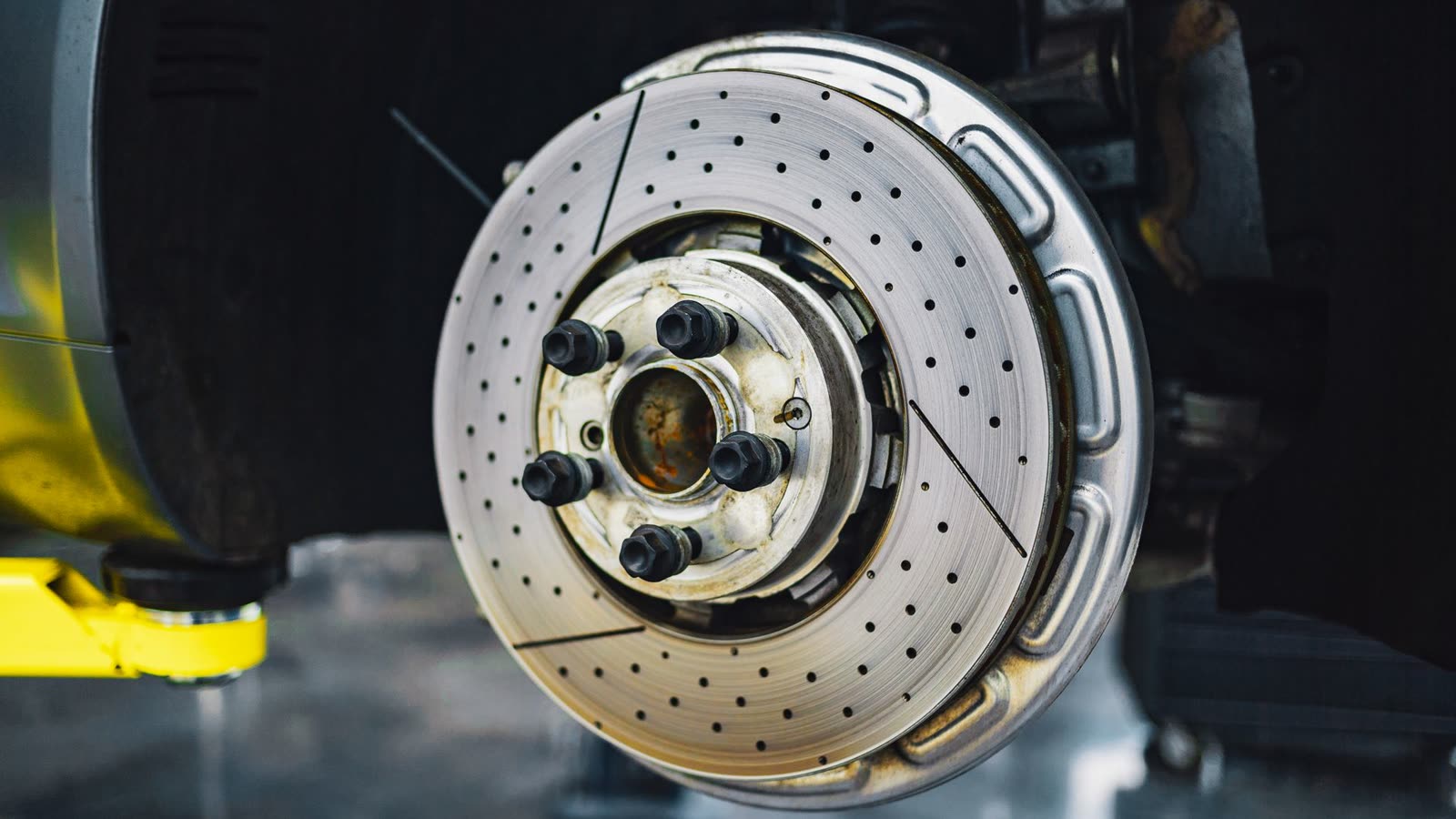
Brake pads last 30,000 to 70,000 miles depending on driving style, and rotors last about twice as long. Listen for squealing, grinding, or a pulsing brake pedal — all signs that the brakes need attention. A brake job costs $300 to $600 per axle for pads and rotors, and it is one of the most important safety services on the car.
The 12-volt battery lasts three to five years, and it gives warning signs: slow cranking, dim lights, and a battery warning light. Have it tested every fall, before cold weather arrives, since cold is what kills a weak battery. An EV's 12-volt battery needs the same attention, even though the main battery lasts far longer.
How to keep track without thinking about it
The simplest system is to follow the maintenance minder in your car. Most modern cars have an oil-life monitor and a maintenance reminder that counts down based on your actual driving. When the light comes on, book the service within a week — do not ignore it for months.
Keep a folder, physical or digital, with every service receipt. It proves the car was maintained, which adds $500 to $1,000 to the resale value, and it helps you and your mechanic spot patterns. If the same part keeps failing, the receipts tell the story.
Set a recurring calendar reminder every six months to check the tire pressure, the fluid levels, and the lights. Good car maintenance is a habit, not a chore: the owners who follow the schedule spend less, drive safer cars, and keep their vehicles years longer than owners who skip it. These five-minute checks catch most problems before they become expensive, and they cost nothing. A car that is maintained on schedule is a car that lasts — and a car that lasts is the cheapest car you can own.
Frequently asked questions
How often should I service my car?
Follow your owner's manual: oil every 7,500 to 10,000 miles for most modern cars, tire rotation every 5,000 to 7,500 miles, air filters every 15,000 to 30,000 miles, and spark plugs every 60,000 to 100,000 miles. Your car's maintenance minder will also remind you when service is due.
What happens if I skip scheduled maintenance?
Skipped maintenance leads to expensive repairs. Missed oil changes can destroy an engine ($5,000 to $8,000), a broken timing belt can cost $3,000 to $5,000, and neglected brakes can lead to a crash. Following the schedule costs about $400 to $600 a year; skipping it costs far more.
Should I follow the dealer or the manufacturer schedule?
Follow the manufacturer's schedule in your owner's manual. Dealers often recommend more frequent service than the manufacturer requires, which adds cost without benefit. The manufacturer's schedule is based on engineering testing, and it is what your warranty requires.
How long do car tires last?
Tires last 40,000 to 60,000 miles depending on the type, your driving, and whether you rotate them regularly. Check the tread depth monthly with a penny test, and replace tires when the tread is worn to 2/32 of an inch or when you can see the top of Lincoln's head on a penny.
When should I replace my car battery?
Most car batteries last three to five years. Have it tested every fall, and replace it if it cranks slowly, if the lights dim, or if the test shows low capacity. A new battery costs $150 to $250, and replacing it proactively is far cheaper than a tow.
Does my car need a timing belt replacement?
If your car has a timing belt, yes — typically every 60,000 to 100,000 miles, at a cost of $500 to $900. If the belt breaks, the repair costs $3,000 to $5,000. Many modern cars use a timing chain instead, which lasts the life of the engine. Check your manual to see which your car has.
Car prices and estimates on this page change often and are based on public information available in November 2026. Always verify the price, features and availability with a dealer before you buy. This article is for general information only and is not financial advice. Read the full Disclaimer.