DIY Car Repairs Beginners Can Handle (Save $1,000+ a Year)
DIY car repairs beginners can handle: oil changes, air filters, wiper blades, batteries, and more — with tools, costs, and time for each job, plus the repairs
Photo: Pexels
Why DIY car repair is worth learning
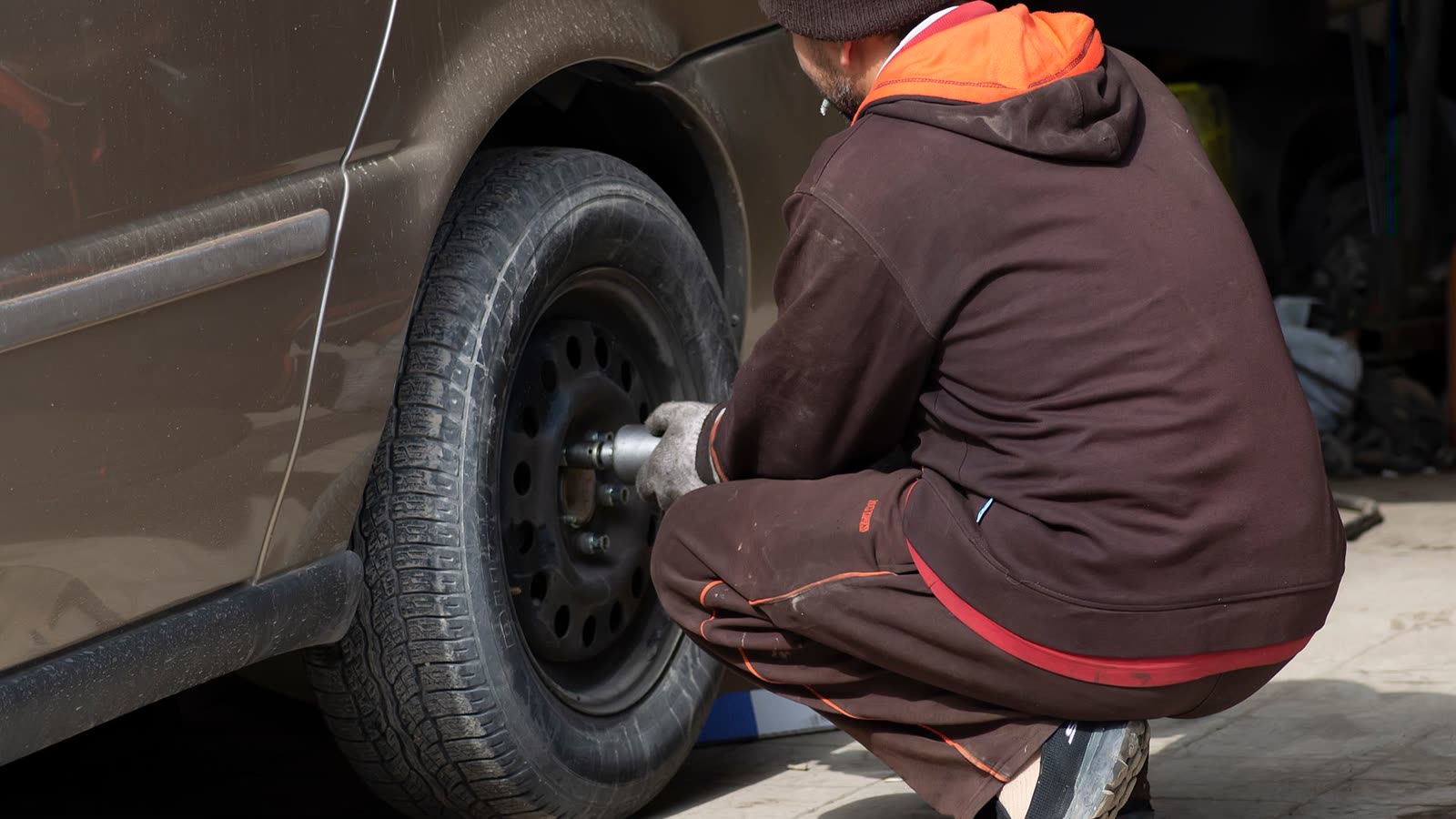
A shop charges $100 to $150 an hour for labor, and many common repairs take less than an hour. An oil change costs $50 to $90 at a shop, but $30 to $45 if you do it yourself. An air filter costs $50 to $80 at a dealer, but $15 to $30 and five minutes in your driveway. Over a year, doing the simple jobs yourself can save $500 to $1,000, and you will understand your car better for it. Seasonal jobs count too: swapping to winter tires is a job most beginners can learn in an afternoon, and it is one of the highest-value DIY skills in cold states.
DIY repair is also satisfying. There is a particular pleasure in fixing your own car, in knowing how it works, and in not depending on a shop for every small job. It builds confidence, and it means you can spot a problem early, before it becomes expensive. You do not need to be a mechanic — you need basic tools, a YouTube video, and the willingness to try.
Start small. The jobs in this guide require no special tools beyond a basic socket set, a screwdriver, and a jack, and they are all low-risk — a mistake will not damage your car or endanger you. As you gain confidence, you can tackle bigger jobs. But know your limits: brakes, suspension, and engine work are best left to professionals unless you have experience.
Oil change: the first DIY job
An oil change is the best first DIY repair. It takes about 30 minutes, it requires only a wrench, an oil drain pan, and a new filter, and it saves about $40 per change. The process is simple: warm up the engine, jack up the car and secure it on jack stands, remove the drain plug, let the oil drain, replace the filter, reinstall the plug, and refill with the correct oil type and amount from your manual.
The tools cost about $50 to $75 for a basic set: a socket wrench, an oil filter wrench, a drain pan, and a funnel. After two oil changes, the tools have paid for themselves. The oil and filter cost $30 to $45, and you must dispose of the used oil properly — most auto parts stores accept it free.
The most common mistake is over-tightening the drain plug or the filter, which can strip the threads or crack the filter. Tighten the drain plug to the torque specified in your manual, usually about 25 foot-pounds, and tighten the filter by hand plus a quarter turn. Check the oil level after the change, and check for leaks before you drive.
Air filters, cabin filters, and wiper blades
The engine air filter is the easiest repair on any car. It is usually held by four clips or screws in a plastic box under the hood, and it takes five minutes to replace. The filter costs $15 to $30, and a dirty filter reduces fuel economy by 2 to 3 percent. Dealers charge $50 to $80 to replace it, which is a remarkable markup for a five-minute job.
The cabin air filter is almost as easy. It is usually behind the glovebox, which drops down after you release two clips. The filter costs $15 to $25, and it takes five minutes to replace. A clogged cabin filter reduces airflow and causes musty smells. Dealers charge $50 to $80 for this job too, and it is one of the most overpriced services in the industry.
Wiper blades take two minutes per blade and cost $15 to $25 each. Lift the wiper arm, press the release tab, slide the old blade off, and slide the new one on. Replace them every 6 to 12 months, or when they streak or chatter. It is the simplest repair on this list, and it makes a real difference to visibility in rain.
Battery, headlight bulbs, and spark plugs
Replacing a car battery takes about 15 minutes and requires only a wrench. Disconnect the negative terminal first, then the positive, remove the hold-down clamp, lift out the old battery, and install the new one in reverse order. A new battery costs $150 to $250, and a shop charges $50 to $100 for installation — money you can save in 15 minutes. Wear gloves and eye protection, and never let the wrench touch both terminals at once.
Headlight bulbs are a 10-minute job on most cars, though some require removing the bumper or the wheel well liner — check your manual or a YouTube video for your specific car. A bulb costs $10 to $30, and a shop charges $50 to $100 to replace it. If one bulb burns out, replace both, since the other is likely to fail soon.
Spark plugs are a 30- to 60-minute job on most four-cylinder cars, and they cost $30 to $60 for a set. You need a spark plug socket and a gap gauge, and you must be careful not to cross-thread the plugs. On V6 and V8 engines, the rear plugs can be hard to reach, and it may be worth paying a shop. But on a four-cylinder car, spark plugs are an excellent DIY job.
Repairs to leave to a professional
Brakes are the most important safety system on your car, and a mistake can be fatal. Brake pad replacement is straightforward for an experienced DIYer, but it requires proper torque, proper bedding, and a thorough inspection of the rotors, calipers, and brake lines. If you have never done brakes before, have a professional show you first, or leave the job to a shop. The $300 to $600 cost is worth the safety.
Suspension work — struts, control arms, ball joints — requires a spring compressor, which is dangerous if misused, and it requires an alignment afterward. A mistake can cause the car to handle unpredictably. Leave suspension work to a professional, and budget $500 to $1,000 for a strut replacement.
Anything involving the fuel system, the airbags, or the transmission should be left to a professional. Fuel is flammable, airbags can deploy with lethal force if mishandled, and transmission work requires specialized tools and knowledge. These are not jobs to learn from a YouTube video. Know your limits, and respect them.
Tools, safety, and learning resources
A basic DIY toolkit costs about $150 to $200 and includes a socket set, a combination wrench set, screwdrivers, pliers, a torque wrench, a jack, and jack stands. Buy quality tools — a cheap socket that rounds off a bolt costs more in frustration than a good socket costs in money. A torque wrench is essential for any job involving bolts, and it costs $30 to $50.
Safety is non-negotiable. Never work under a car supported only by a jack — always use jack stands. Wear eye protection when working under the car, and gloves when handling oil or chemicals. Work in a well-ventilated area, and keep a fire extinguisher nearby. If a job feels unsafe, stop and get help.
YouTube is the best learning resource for DIY car repair. Channels like ChrisFix, Scotty Kilmer, and EricTheCarGuy have detailed videos for nearly every common repair, specific to your car's make and model. Your car's factory service manual is the authority, and it is available online for most models. Start with a video, read the manual, and take your time.
Frequently asked questions
What DIY car repairs can a beginner handle?
Oil changes, engine and cabin air filters, wiper blades, battery replacement, headlight bulbs, and spark plugs on four-cylinder cars are all beginner-friendly. They require basic tools, take 5 to 60 minutes, and save $500 to $1,000 a year. Start with air filters and wipers, then try an oil change.
How much money can I save doing DIY car repairs?
Doing the simple jobs yourself saves $500 to $1,000 a year. An oil change saves $40, an air filter saves $35, a cabin filter saves $35, and a battery saves $50 to $100 in labor. Over five years, DIY saves $2,500 to $5,000, and the tools pay for themselves after two oil changes.
What tools do I need for DIY car repair?
A basic toolkit costs $150 to $200: a socket set, combination wrenches, screwdrivers, pliers, a torque wrench, a jack, and jack stands. Buy quality tools — a cheap socket that rounds off a bolt costs more in frustration than a good socket costs. A torque wrench is essential for any job involving bolts.
Is it safe to change my own oil?
Yes, if you follow safety rules. Always use jack stands, never work under a car supported only by a jack. Let the engine cool slightly before draining the oil, wear gloves and eye protection, and dispose of the used oil at an auto parts store. The job takes about 30 minutes.
Should I do my own brakes?
Brake work is best left to a professional unless you have experience. Brakes are the most important safety system on your car, and a mistake can be fatal. If you want to learn, have a professional show you first. The $300 to $600 cost of a professional brake job is worth the safety.
Where can I learn DIY car repair?
YouTube channels like ChrisFix and EricTheCarGuy have detailed videos for nearly every common repair, specific to your car's make and model. Your car's factory service manual is the authority and is available online for most models. Start with a video, read the manual, and take your time.
Car prices and estimates on this page change often and are based on public information available in November 2026. Always verify the price, features and availability with a dealer before you buy. This article is for general information only and is not financial advice. Read the full Disclaimer.