Luxury Car vs Mainstream: Is It Worth It?
Luxury car vs mainstream in 2026: the real differences in comfort, technology, safety, maintenance, and depreciation — and when a loaded Toyota or Honda beats
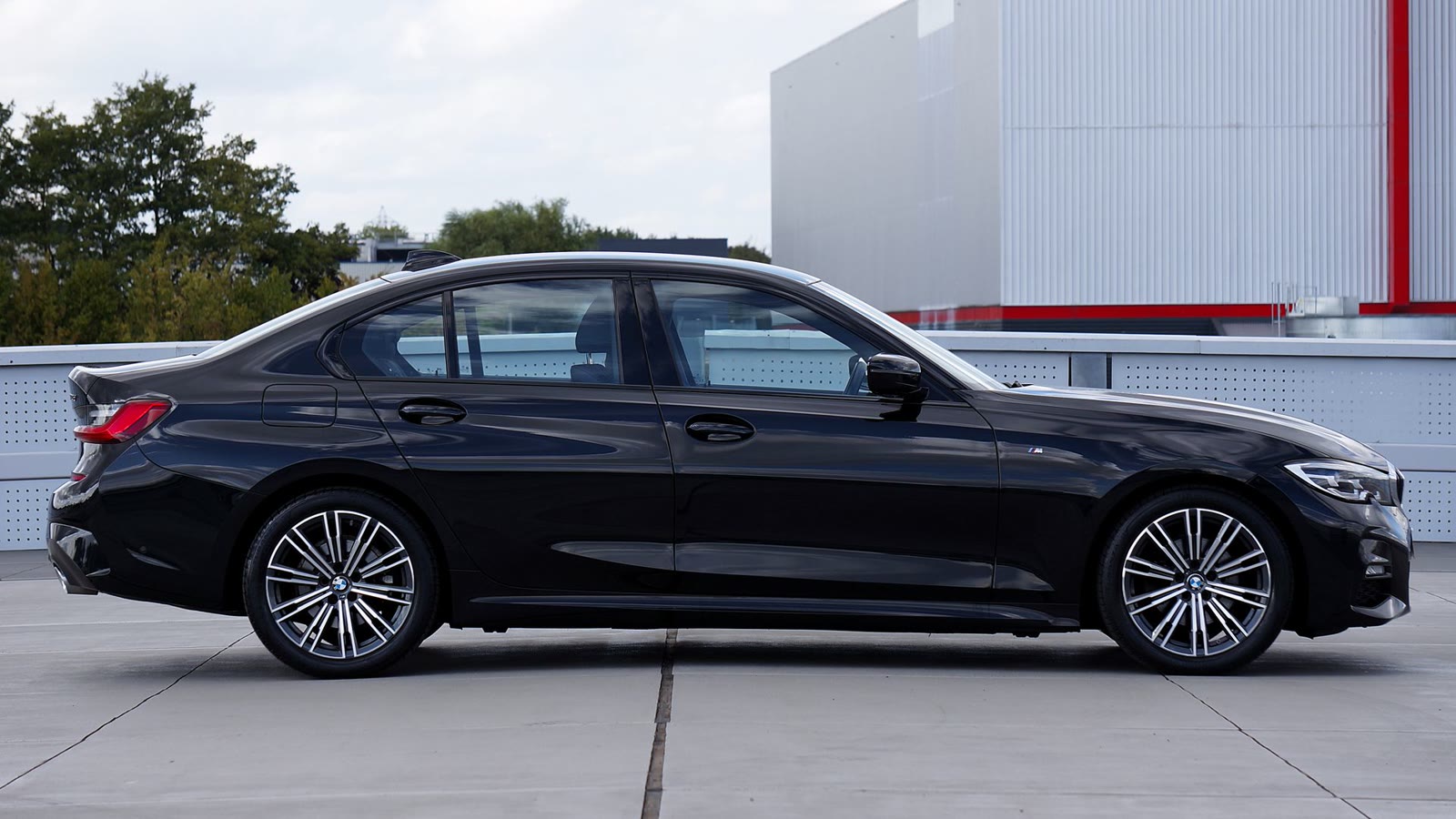
Photo: Pexels
The price gap, and what it actually buys
A loaded Toyota Camry XSE costs about $36,000. A base BMW 3 Series costs about $45,000. The $9,000 gap buys a quieter cabin, softer leather, a more powerful engine, and a badge — but the Camry already includes adaptive cruise control, lane-keeping assist, blind-spot monitoring, a 12.3-inch touchscreen, and heated leather seats. The features that used to separate luxury from mainstream are now standard on mainstream cars.
The gap narrows further in SUVs. A loaded Honda CR-V Touring at about $38,000 includes leather, a 9-inch touchscreen, wireless CarPlay, and a full safety suite. A base BMW X3 at about $50,000 adds a more powerful engine and a nicer cabin, but the CR-V is roomier and more fuel-efficient. For $12,000 less, the mainstream SUV gives up surprisingly little.
The luxury advantage is real but specific: cabin quietness, ride quality, material quality, and engine refinement. A BMW's inline-six is smoother than a Toyota's four-cylinder, and a Mercedes' cabin is quieter at 80 mph than a Honda's. Whether that is worth $9,000 to $12,000 is a personal decision, not an objective one.
Comfort and quiet: where luxury still wins
Cabin noise is the clearest luxury advantage. A Lexus ES measures about 62 decibels at 70 mph, while a Toyota Camry measures about 66 decibels — a difference you can hear. Luxury cars use acoustic glass, extra sound insulation, and active noise cancellation to create a cabin that feels sealed from the world. On a long highway drive, that quietness reduces fatigue in a way that is hard to quantify but easy to feel.
Seat comfort is the second advantage. Luxury cars offer multi-way adjustable seats with lumbar support, ventilation, and massage functions that mainstream cars rarely match. A BMW 5 Series' seats are designed for five-hour drives, while a mainstream car's seats are designed for a one-hour commute. If you drive long distances regularly, the seat alone can justify the premium.
Ride quality is the third. Luxury cars use adaptive dampers, air suspension, and more sophisticated chassis tuning to absorb bumps that a mainstream car transmits to the cabin. A Mercedes-Benz E-Class glides over broken pavement that would jolt a Honda Accord. But the gap is smaller than it was: mainstream cars like the Camry and Accord have improved their ride quality significantly.
Technology: the gap has nearly closed
Five years ago, luxury cars had a clear technology lead. Today, a $30,000 Honda Civic includes wireless Apple CarPlay, Android Auto, adaptive cruise control, lane-keeping assist, and a digital instrument cluster. The same features cost $50,000 or more in a luxury car, and the mainstream versions often work better — Honda's infotainment is simpler than BMW's iDrive, and Toyota's safety suite is more intuitive than Mercedes' MBUX.
Luxury cars still lead in a few areas: augmented-reality head-up displays, hands-free highway driving, and advanced driver-assist systems like Mercedes' Drive Pilot and BMW's Highway Assistant. But these features are optional extras that add $2,000 to $3,000 to the price, and they are rarely essential. For most buyers, a mainstream car's technology is more than enough.
The one technology area where luxury cars are clearly better is the sound system. A $1,000 Burmester system in a Mercedes or a Bowers and Wilkins system in a BMW sounds noticeably better than a mainstream car's audio. But a $500 aftermarket upgrade can close most of that gap in a mainstream car.
Maintenance and depreciation: where luxury loses
Maintenance is where luxury cars cost real money. After the warranty, a BMW or Mercedes costs about $1,200 to $1,500 a year to maintain, versus about $600 for a Toyota or Honda. An oil change at a BMW dealer costs $150 to $200, versus $50 to $70 at a Toyota dealer. Brake pads cost $500 to $800 on a luxury car versus $300 to $400 on a mainstream car.
Depreciation is worse. A luxury car loses about 50 percent of its value in three years, versus about 35 percent for a mainstream car. A $60,000 BMW 5 Series is worth about $30,000 after three years, while a $36,000 Toyota Camry XSE is worth about $23,000. The BMW owner lost $30,000; the Camry owner lost $13,000. That $17,000 difference dwarfs the fuel and maintenance savings.
Insurance is also higher — typically 20 to 30 percent more for a luxury car, because parts are more expensive and repairs require specialized shops. Over five years, a luxury car costs roughly $10,000 to $15,000 more to own than a comparable mainstream car, even before the purchase-price difference.
When luxury is worth it — and when it is not
Luxury is worth it if you drive long distances regularly and value quiet and comfort, if you want the most advanced driver-assist technology, if you enjoy driving and want a more powerful engine and better handling, or if the car is a reward you have worked for and can afford without stretching your budget. There is nothing wrong with buying a car because it makes you happy.
Luxury is not worth it if you are stretching your budget to afford the payment, if you drive mostly short trips around town, if you keep cars for a decade and want low maintenance costs, or if you care about total cost of ownership. In those cases, a loaded mainstream car — a Camry XSE, an Accord Touring, a CR-V Touring — delivers 80 to 90 percent of the luxury experience for 60 percent of the price.
The smartest compromise is a certified pre-owned luxury car. A three-year-old BMW 5 Series or Mercedes-Benz E-Class costs about the same as a new Camry, and it comes with a warranty and a full inspection. You get the luxury cabin and performance at a mainstream price, and someone else paid for the steepest depreciation.
The verdict: buy the loaded mainstream car, usually
For most buyers, the answer is no — a luxury car is not worth the premium over a loaded mainstream car in 2026. The mainstream car has the same safety features, nearly the same technology, better fuel economy, lower maintenance costs, and far better resale value. The $9,000 to $15,000 you save buys a lot of vacations, investments, or peace of mind.
The exception is the buyer who genuinely values what luxury offers and can afford it comfortably. If you drive 20,000 miles a year on the highway, the quiet cabin and comfortable seats of a Lexus ES or BMW 5 Series will improve your daily life in a way that is hard to put a price on. If you love driving, the BMW's handling is worth the premium.
Whatever you choose, test drive both. Drive a loaded Camry and a base BMW 3 Series back to back on the same roads, and pay attention to noise, seat comfort, and how the car feels after 20 minutes. The right answer is the one that makes you happy when you get behind the wheel — not the one with the fancier badge.
Frequently asked questions
Is a luxury car worth it over a mainstream car?
For most buyers, no. A loaded Toyota Camry or Honda Accord offers the same safety features and nearly the same technology as a base BMW or Mercedes for $9,000 to $15,000 less, with lower maintenance costs and better resale value. Luxury is worth it if you drive long distances and value quiet, comfort, and performance enough to pay the premium.
What is the cheapest way to own a luxury car?
Buy a two- to three-year-old certified pre-owned luxury car. A three-year-old BMW 5 Series costs about the same as a new Toyota Camry, and it comes with a warranty. Leasing is the other smart option, since it caps your depreciation exposure on a car that loses 50 percent of its value in three years.
Do luxury cars cost more to maintain?
Yes. After the warranty, a BMW or Mercedes costs about $1,200 to $1,500 a year to maintain, versus about $600 for a Toyota or Honda. Oil changes, brakes, and tires are all more expensive, and repairs at a luxury dealer can run $500 to $2,000 per visit.
Which luxury brand is the most reliable?
Lexus is the most reliable luxury brand by a wide margin, with the ES and RX topping dependability surveys. Genesis ranks second. BMW and Mercedes-Benz are average for reliability but cost more to maintain than Lexus when something does go wrong.
Is a loaded Camry as good as a base BMW?
For most daily driving, yes. A Camry XSE at about $36,000 has the same safety features, a similar touchscreen, and better fuel economy than a base BMW 3 Series at about $45,000. The BMW is quieter, faster, and more engaging to drive, but the Camry is more comfortable to own and far cheaper to run.
Do luxury cars hold their value?
Most luxury cars depreciate faster than mainstream cars, losing about 50 percent in three years versus 35 percent for mainstream cars. Lexus is the exception, retaining about 55 percent after five years. Buying certified pre-owned is the best way to avoid the steepest depreciation.
Car prices and estimates on this page change often and are based on public information available in November 2026. Always verify the price, features and availability with a dealer before you buy. This article is for general information only and is not financial advice. Read the full Disclaimer.