Driver-Assist Safety Features Explained (2026)
Driver-assist safety features explained: adaptive cruise control, lane keeping, blind-spot monitoring, automatic emergency braking, and hands-free driving —
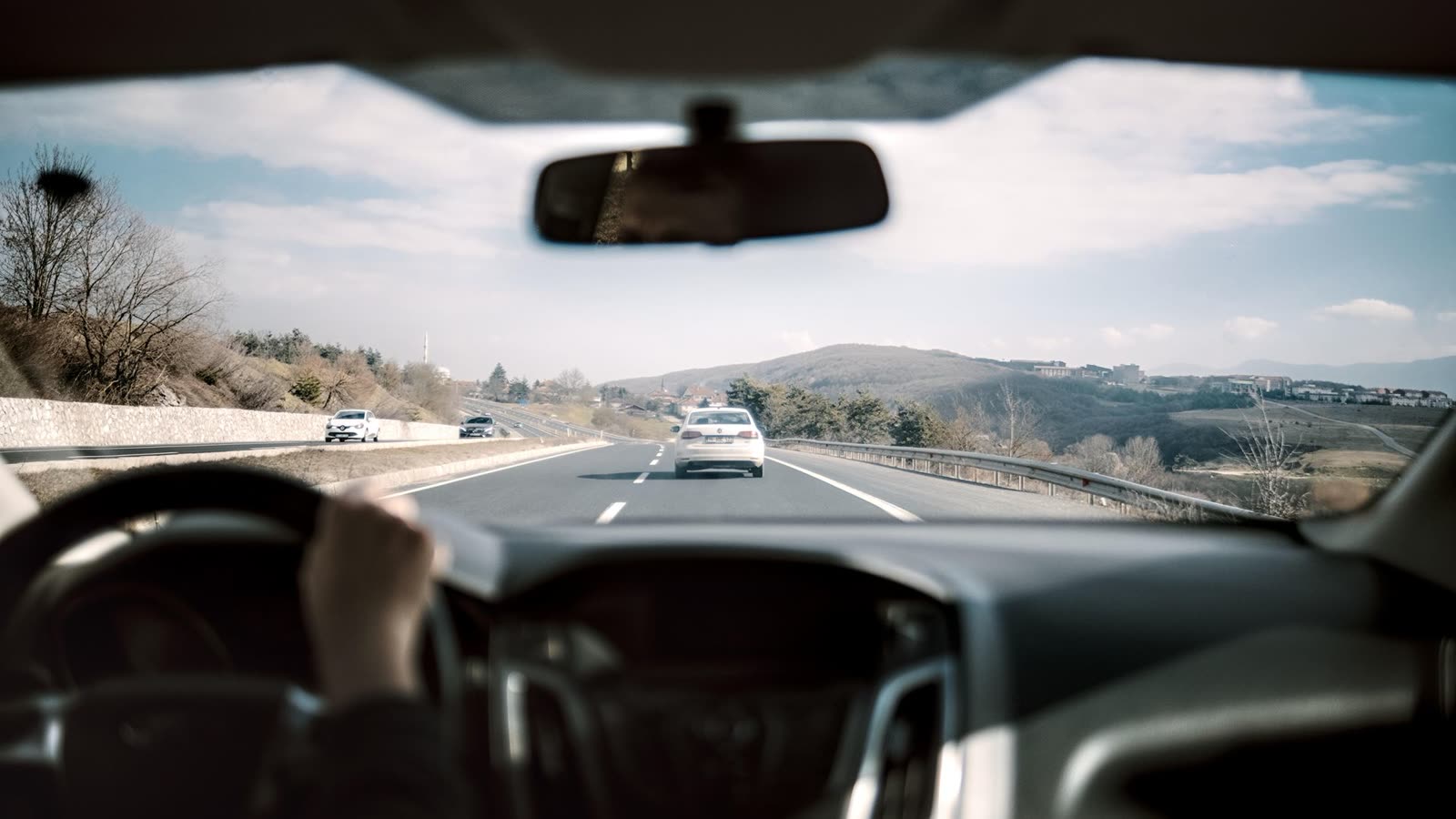
Photo: Pexels
Automatic emergency braking: the feature that saves lives
Automatic emergency braking, or AEB, uses cameras and radar to detect a vehicle, pedestrian, or cyclist ahead, and it applies the brakes automatically if the driver does not react in time. AEB is the single most effective safety feature ever fitted to a car: the IIHS estimates it reduces rear-end crashes by about 50 percent, and it is now standard on nearly every new car sold in America. A dash cam is a useful companion to these systems, recording what the cameras see in case of a dispute after a crash.
AEB works at city speeds and on the highway, though its effectiveness drops at very high speeds and in poor weather. Most systems work up to about 50 mph for pedestrian detection and up to 80 mph for vehicle detection. AEB is not a substitute for paying attention — it is a backup for the moment when attention fails, and it has saved countless lives since it became standard.
When you buy a car, check that AEB is standard, not optional. It is standard on nearly every 2026 model, but some base trims of trucks and older designs still offer it only as an option. A car without AEB is a car without the most important safety feature of the past decade, and it is not worth buying.
Adaptive cruise control and lane-keeping assist
Adaptive cruise control, or ACC, maintains a set speed and a safe following distance from the car ahead, slowing down and speeding up automatically. It is the most useful driver-assist feature for highway driving, reducing fatigue on long trips and preventing the speed creep that leads to tickets. ACC is standard on most 2026 cars, and it works well in stop-and-go traffic too, bringing the car to a complete stop and resuming when traffic moves. The Honda Civic Hatchback is a good example — its standard Honda Sensing suite includes adaptive cruise control and lane keeping at a mainstream price.
Lane-keeping assist uses a camera to detect the lane markings and gently steers the car back into the lane if it drifts. It is a subtle system — a gentle nudge, not a yank — and it is most useful on long highway drives when fatigue sets in. Lane-centering, a more advanced version, actively keeps the car in the center of the lane, and it is the foundation of hands-free driving systems.
These systems are not self-driving. They require the driver to keep their hands on the wheel and their eyes on the road, and they disengage if the driver does not respond. They are assistance, not automation, and treating them as self-driving is dangerous. The systems are best used as a second pair of eyes, not as a replacement for the driver.
Blind-spot monitoring and rear cross-traffic alert
Blind-spot monitoring uses radar sensors in the rear bumper to detect vehicles in your blind spot, and it lights a warning icon in the side mirror when a car is there. If you signal to change lanes while a car is in the blind spot, most systems flash the warning and sound a chime. Blind-spot monitoring reduces lane-change crashes by about 14 percent, according to the IIHS, and it is standard on most 2026 cars.
Rear cross-traffic alert uses the same sensors to warn you of approaching traffic when you reverse out of a parking space. It is one of the most useful features for daily driving, because it sees what you cannot — a car approaching from the side at 20 mph while you are backing out. It is standard on most cars and it is worth seeking out if it is optional.
A 360-degree camera, available on many cars, stitches together views from four cameras to show a bird's-eye view of the car and its surroundings. It makes parking in tight spaces far easier, and it is especially useful on large SUVs and trucks. It is often part of an option package that costs $500 to $1,000, and it is worth the money if you park in tight spaces regularly.
Hands-free driving: BlueCruise, Super Cruise, and Highway Assistant
Hands-free driving systems let the driver take their hands off the wheel on pre-mapped highways, while a camera monitors the driver's eyes to ensure they are watching the road. General Motors' Super Cruise, Ford's BlueCruise, and BMW's Highway Assistant are the leading systems, and they work on hundreds of thousands of miles of divided highways in North America.
Super Cruise is the most capable system, operating on over 750,000 miles of roads in the US and Canada, and it can change lanes automatically when you signal. BlueCruise works on about 130,000 miles of highways, and it is available on the Ford F-150, Mustang Mach-E, and Expedition. BMW's Highway Assistant works on about 100,000 miles and is available on the 5 Series, X5, and iX.
These systems cost $2,000 to $3,000 as an option, or they require a subscription after an initial free period — Super Cruise costs about $25 a month after three years, and BlueCruise costs about $600 a year. They are impressive, but they are not essential. Adaptive cruise control and lane-centering provide 80 percent of the benefit for free, and the hands-free systems only work on specific highways.
Which driver-assist features are worth paying for
Automatic emergency braking, blind-spot monitoring, and rear cross-traffic alert are the three features worth paying for, and they are standard on most 2026 cars. If they are optional on the car you are considering, pay for them — they are the features that prevent crashes, and they cost $500 to $1,000 as a package, which is trivial compared to the cost of a single accident.
Adaptive cruise control is the fourth feature worth having, especially if you drive on the highway regularly. It reduces fatigue and it is standard on most cars. If it is optional, it is worth $300 to $500 as part of a package. Lane-keeping assist is less essential — it is helpful, but it is not a crash-prevention feature in the same way as AEB.
A 360-degree camera is worth $500 to $1,000 if you drive a large SUV or truck, or if you park in tight spaces. A head-up display is a nice luxury, but it is not essential. Hands-free driving is a luxury, not a necessity — impressive, but not worth $2,000 or a monthly subscription for most drivers.
The limits of driver-assist technology
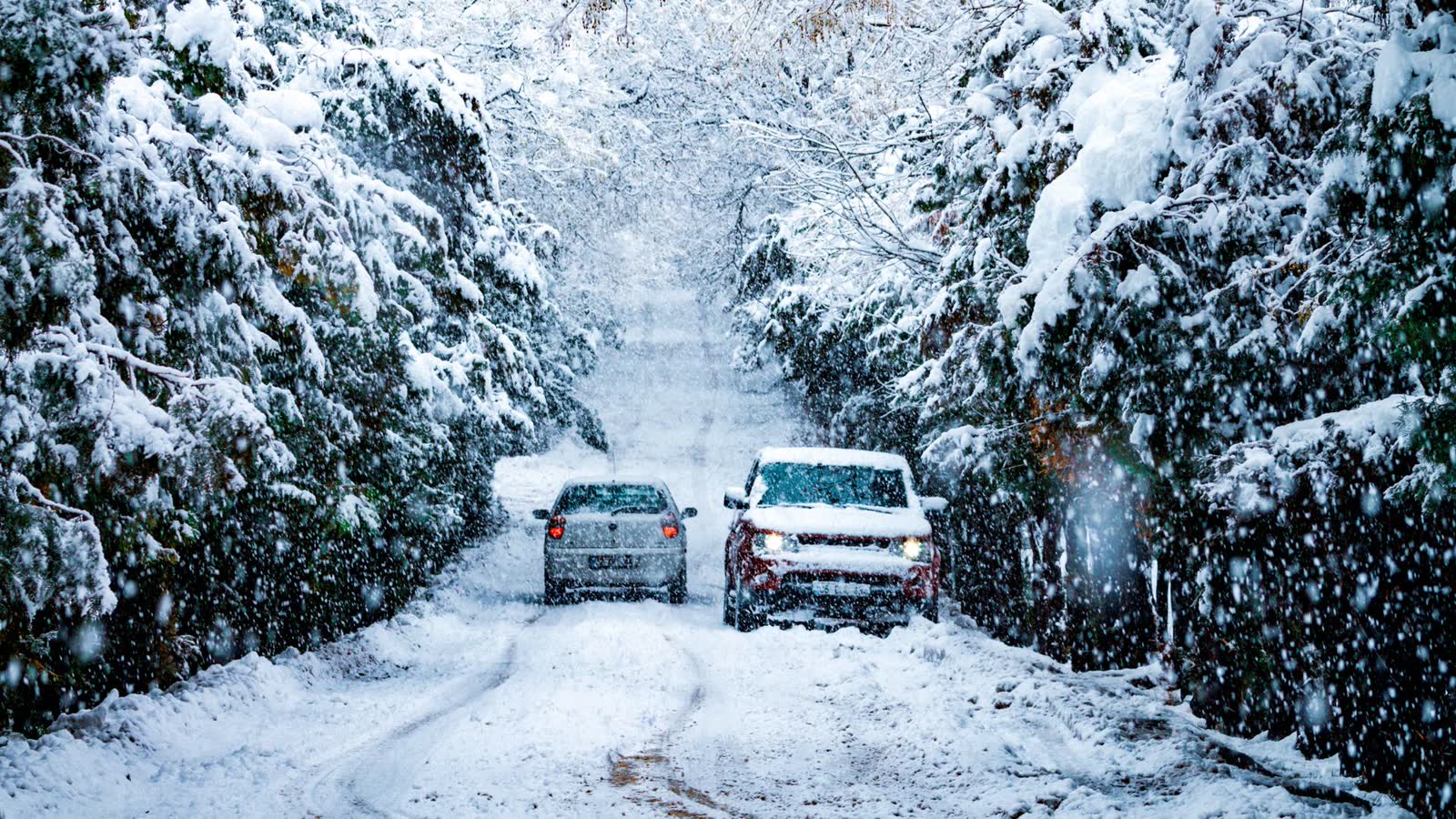
Driver-assist systems have real limits. Cameras and radar struggle in heavy rain, snow, and fog, and they can be confused by faded lane markings, construction zones, and unusual road layouts. AEB may not detect a pedestrian at night, or a vehicle that is partially obscured. Lane-keeping assist disengages on sharp curves and unmarked roads. These are not flaws — they are the current limits of the technology, and drivers must understand them.
The most dangerous mistake is over-trusting the systems. Drivers who treat adaptive cruise control and lane-centering as self-driving have caused fatal crashes by looking away from the road. The systems are designed to assist a attentive driver, not to replace one. Keep your hands on the wheel, keep your eyes on the road, and use the systems as a backup, not as a chauffeur.
The technology is improving rapidly. Each year, the cameras get better, the radar gets more precise, and the software gets smarter. But the driver remains the most important safety system in the car, and no amount of technology changes that. The best safety feature is still an attentive driver.
Frequently asked questions
What is the most important driver-assist safety feature?
Automatic emergency braking is the most important, reducing rear-end crashes by about 50 percent according to the IIHS. It is standard on nearly every new car in 2026. Blind-spot monitoring and rear cross-traffic alert are the next most valuable, and they are standard on most cars too.
Is adaptive cruise control worth it?
Yes, especially if you drive on the highway regularly. Adaptive cruise control maintains a safe following distance automatically, reducing fatigue on long trips. It is standard on most 2026 cars, and it is worth $300 to $500 as an option if it is not included.
Can I take my hands off the wheel with BlueCruise or Super Cruise?
Yes, on pre-mapped highways, while the system monitors your eyes to ensure you are watching the road. Super Cruise works on over 750,000 miles of roads, BlueCruise on about 130,000 miles. These are not self-driving systems — you must stay attentive and ready to take over at any time.
Do driver-assist features work in rain and snow?
They work less well. Cameras and radar struggle in heavy rain, snow, and fog, and lane-keeping assist can be confused by faded markings or snow-covered roads. AEB may not detect pedestrians at night. Drive more carefully in bad weather and do not rely on the systems to compensate.
Are hands-free driving systems worth the cost?
For most drivers, no. Hands-free systems cost $2,000 to $3,000 plus a subscription, and they only work on specific highways. Adaptive cruise control and lane-centering provide most of the benefit for free. Hands-free driving is worth it only if you spend hours on mapped highways every week.
Will driver-assist features lower my insurance?
Sometimes. Some insurers offer discounts of 5 to 10 percent for cars with automatic emergency braking and other safety features, because they reduce crash frequency. Ask your insurer — the discount varies by company and by state, and it is rarely large enough to justify buying a feature on its own.
Car prices and estimates on this page change often and are based on public information available in November 2026. Always verify the price, features and availability with a dealer before you buy. This article is for general information only and is not financial advice. Read the full Disclaimer.