Best Hatchbacks of 2026
The best hatchbacks of 2026: cargo versatility, fuel economy, and city-friendly size at sedan prices — from the Honda Civic Hatchback and Toyota Corolla
Photo: Pexels
Why a hatchback beats a sedan for many buyers
A hatchback gives you the cargo flexibility of a small SUV at the price and fuel economy of a sedan. The rear hatch opens wide, the seats fold flat, and a Honda Civic Hatchback holds 24.5 cubic feet behind the rear seats — nearly 10 cubic feet more than the Civic sedan's trunk — and 46 cubic feet with the seats folded. A bicycle, a large dog crate, or a flat-pack bookshelf fits in a hatchback that would never fit in a sedan.
Hatchbacks are also easier to park and more maneuverable than SUVs, with the same low running costs as a compact car. Insurance is typically cheaper than an SUV, fuel economy is 30 to 40 mpg, and the purchase price starts near $23,000. For city drivers, apartment dwellers, and anyone who hauls gear on weekends, a hatchback is often the most practical car on the road.
The trade-off is a slightly noisier cabin, since there is no sealed trunk separating you from the cargo area, and less rear legroom than a midsize sedan. But modern hatchbacks have closed the comfort gap, and the versatility more than compensates for most buyers.
Honda Civic Hatchback: the best hatchback overall
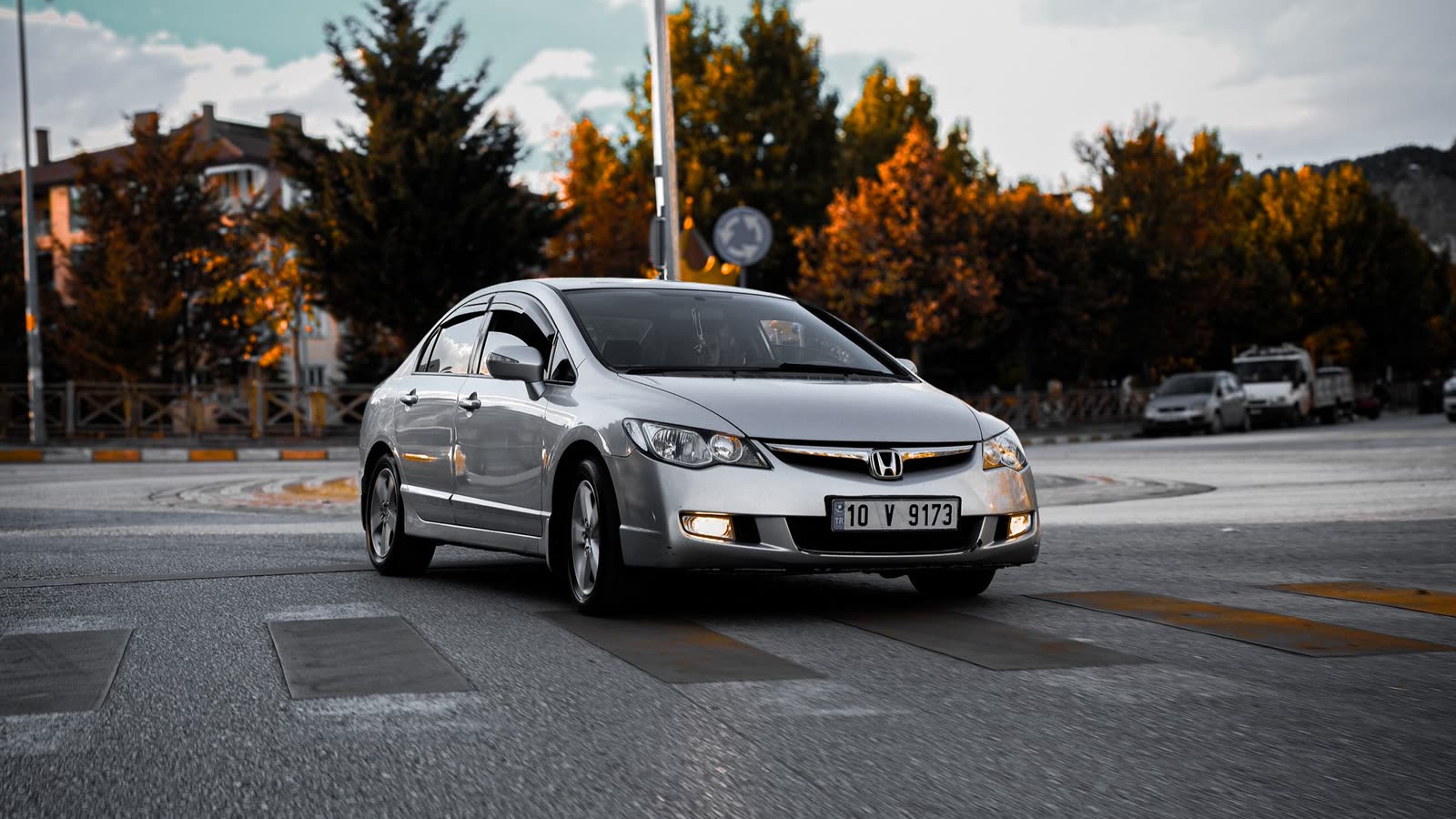
The 2026 Honda Civic Hatchback starts at about $26,000, and the Sport Touring Hybrid at about $32,000 is the pick, with 200 horsepower, 48 mpg combined, and a genuinely premium interior. The hatchback's 24.5 cubic feet of cargo space grows to 46 cubic feet with the seats folded, and the low load floor makes heavy items easy to slide in.
The Civic Hatchback drives like the Civic sedan — precise steering, a composed ride, and a cabin that feels a class above its price. Honda Sensing is standard, including adaptive cruise control and lane-keeping assist, and the hatchback earns an IIHS Top Safety Pick+ rating. The manual transmission is still available on the Sport trim, which is rare and welcome for driving enthusiasts.
The Civic Hatchback's weakness is rear-seat space, which is adequate but not generous, and road noise at highway speed. The hybrid's price premium of about $3,000 over the gas model pays for itself in fuel savings within three to four years for average drivers, and the hybrid's extra torque makes it noticeably quicker around town.
Toyota Corolla Hatchback: the value pick
The 2026 Toyota Corolla Hatchback starts at about $24,000, making it the cheapest good hatchback in 2026. The SE trim at about $26,000 adds 18-inch wheels, a larger touchscreen, and wireless Apple CarPlay. The 2.0-liter four-cylinder makes 169 horsepower and delivers 35 mpg combined, and the Corolla's reliability record is among the best in the industry.
The Corolla Hatchback is smaller than the Civic Hatchback, with 17.8 cubic feet of cargo space behind the rear seats and 36 cubic feet maximum. That is enough for a weekly shop and weekend luggage, but it will not swallow a bicycle without removing a wheel. The rear seat is tight for adults, so the Corolla Hatchback suits couples, singles, and small families best.
Toyota Safety Sense 3.0 is standard, including adaptive cruise control and lane departure alert, and the Corolla earns top safety ratings. The Corolla Hatchback's main appeal is its price and its running costs: insurance is cheap, maintenance is minimal, and the car holds its value well. If your budget is under $26,000, this is the hatchback to buy.
Mazda3 Hatchback and Volkswagen Golf GTI
The 2026 Mazda3 Hatchback starts at about $25,000 and has the nicest interior of any compact car, with soft materials, a clean dashboard, and a quiet cabin. The 2.5-liter engine makes 191 horsepower, and all-wheel drive is available — the only hatchback in this class that offers it. The Mazda3 gets 31 mpg combined and handles beautifully, but its cargo space of 20.1 cubic feet and its tight rear seat are smaller than the Civic's.
The Volkswagen Golf GTI, starting near $33,000, is the hot hatch — 241 horsepower, 0 to 60 mph in about 5.1 seconds, and handling that embarrasses cars costing twice as much. The GTI offers 19.9 cubic feet of cargo space and a plaid-cloth interior that is a GTI tradition. Fuel economy is about 27 mpg combined, and the GTI is the pick for buyers who want practicality and genuine performance in one car.
The Hyundai Elantra GT is gone, but the Kia K4 hatchback, starting near $24,000, is a new contender with a spacious cabin, 29 cubic feet of cargo space, and a long warranty. The Subaru Impreza, starting near $24,000, offers standard all-wheel drive and 20.4 cubic feet of cargo space, making it the pick for snowy climates.
Hatchback vs sedan vs small SUV
Against a sedan, the hatchback wins on cargo versatility and loses on cabin quietness. A Civic Hatchback holds 24.5 cubic feet versus the sedan's 14.8-cubic-foot trunk, and the hatch opening accepts bulky items the sedan's narrow trunk opening cannot. The sedan is quieter at highway speed and typically costs $1,000 less. If you haul gear, buy the hatchback; if you value quiet, buy the sedan.
Against a small SUV like the Honda HR-V, the hatchback wins on price and fuel economy. The HR-V starts near $26,000 and gets 28 mpg combined, while the Civic Hatchback starts at the same price and gets 35 to 48 mpg. The HR-V offers a higher seating position and more ground clearance, but the Civic Hatchback has more cargo space and is more fun to drive.
Against a compact SUV like the Toyota Corolla Cross, the hatchback's advantage is handling and efficiency, while the SUV offers all-wheel drive and easier entry. For most buyers who do not need all-wheel drive, the hatchback is the better value — the same money buys more equipment and better fuel economy.
Which hatchback should you buy?
For most buyers, the Honda Civic Hatchback Sport Touring Hybrid at about $32,000 is the best hatchback in 2026: the most cargo space, the best fuel economy, and the most engaging drive. If your budget is under $26,000, the Toyota Corolla Hatchback SE at about $26,000 delivers Toyota reliability and the lowest running costs in the class.
If you want the nicest cabin, the Mazda3 Hatchback is the pick, and if you want performance, the Volkswagen Golf GTI is unmatched for the money. If you live where it snows, the Subaru Impreza's standard all-wheel drive is worth the small fuel-economy penalty. Test drive the Civic Hatchback and the Corolla Hatchback back to back — the difference in space and refinement will make the decision clear.
Frequently asked questions
What is the best hatchback to buy in 2026?
The Honda Civic Hatchback Sport Touring Hybrid is the best overall, starting near $32,000 with 48 mpg, 24.5 cubic feet of cargo space, and the most engaging drive in the class. The Toyota Corolla Hatchback is the best value, starting near $24,000 with excellent reliability and low running costs.
Are hatchbacks cheaper than SUVs?
Yes. A hatchback starts near $23,000 to $26,000, while a comparable small SUV starts near $26,000 to $30,000, and the hatchback gets 5 to 10 mpg better fuel economy. Insurance is also typically cheaper on a hatchback, making it the lower-cost choice over five years.
How much cargo space does a Honda Civic Hatchback have?
The Civic Hatchback offers 24.5 cubic feet behind the rear seats and 46 cubic feet with the seats folded — nearly 10 cubic feet more than the Civic sedan's trunk. That is enough for a bicycle, a large dog crate, or a flat-pack furniture box.
Is a hatchback good for a family?
A compact hatchback works well for a family with one or two small children, thanks to the large cargo area and easy car-seat access. For three kids or teenagers, a midsize sedan or SUV offers more rear-seat space. The Civic Hatchback's rear seat fits two car seats comfortably.
Do hatchbacks hold their value?
Yes, especially the Honda Civic Hatchback and Toyota Corolla Hatchback, which retain about 60 percent of their value after five years — among the best in the compact class. The Volkswagen Golf GTI also holds value well, while less popular hatchbacks depreciate faster.
What is the most fuel-efficient hatchback?
The Honda Civic Hatchback Hybrid leads at 48 mpg combined, followed by the Toyota Corolla Hatchback at 35 mpg and the Mazda3 Hatchback at 31 mpg. The Civic Hybrid's fuel savings pay for its price premium over the gas model within three to four years for average drivers.
Car prices and estimates on this page change often and are based on public information available in November 2026. Always verify the price, features and availability with a dealer before you buy. This article is for general information only and is not financial advice. Read the full Disclaimer.