Best Electric Cars of 2026
The best electric cars of 2026, ranked by range, price, charging speed, and real-world value — from the $35,000 Chevrolet Equinox EV to the 350-mile Tesla
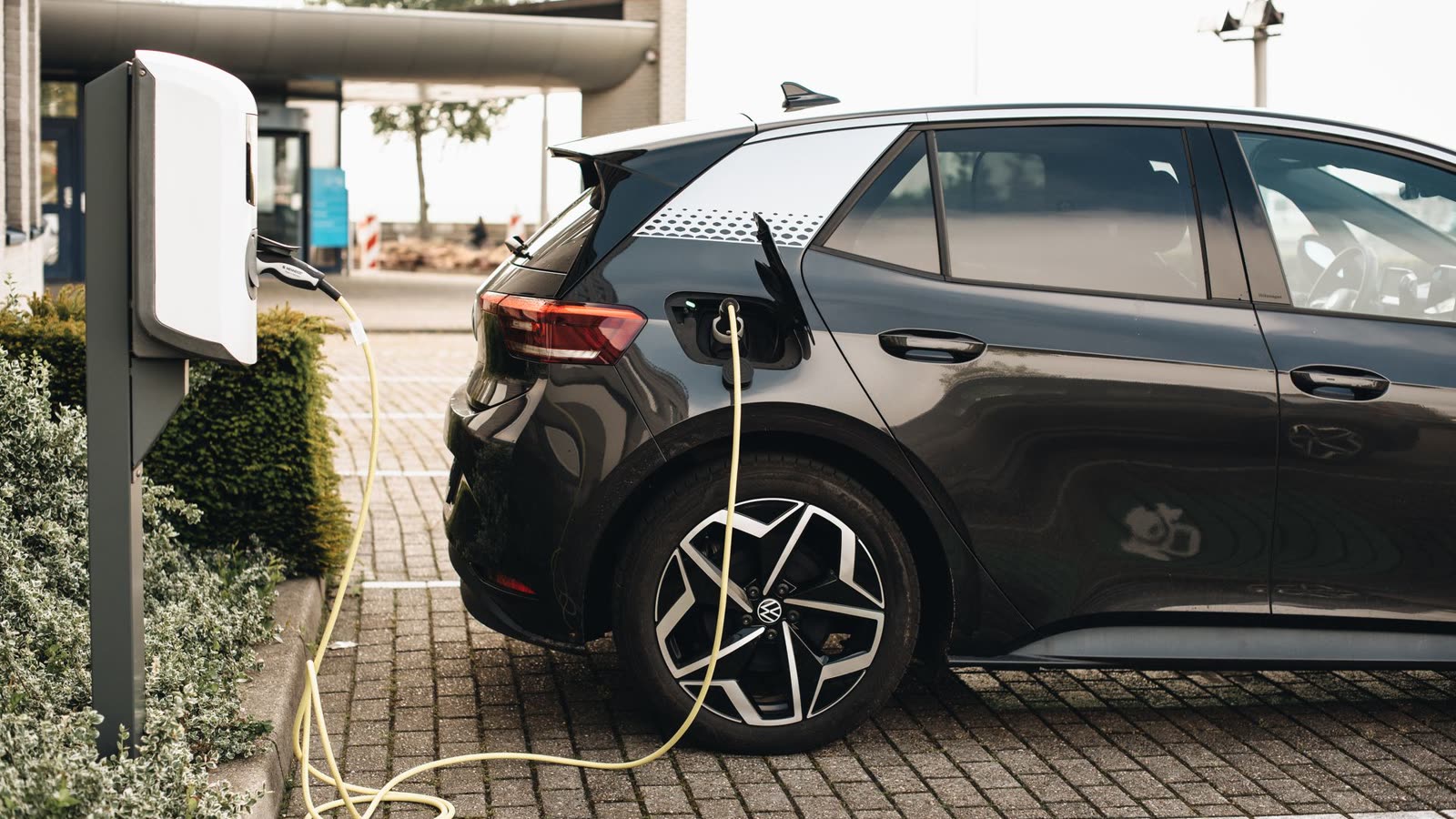
Photo: Pexels
How we ranked the best EVs of 2026
We ranked these electric cars on what actually matters to buyers: real-world range, charging speed, price after incentives, interior space, reliability, and how pleasant the car is to live with every day. EPA range figures are a starting point, but cold weather, highway speed, and heating can cut range by 20 to 30 percent, so we weighed real-world tests heavily. The 2027 electric cars and SUVs arriving next year promise more range for similar money, so this list is worth revisiting before you buy.
Price matters more than ever in 2026. The federal tax credit of up to $7,500 applies to a smaller list of EVs than it did two years ago, and only to cars assembled in North America that meet battery-sourcing rules. A car that qualifies for the credit can be thousands cheaper than a rival with a similar sticker price, so we note eligibility for every pick.
Charging speed is the other deciding factor. An EV that charges at 150 kW or more can add 100 miles in about 10 to 15 minutes at a fast charger, while a car limited to 50 kW needs 40 minutes or more for the same charge. For road trips, that difference is the difference between a coffee stop and a long wait.
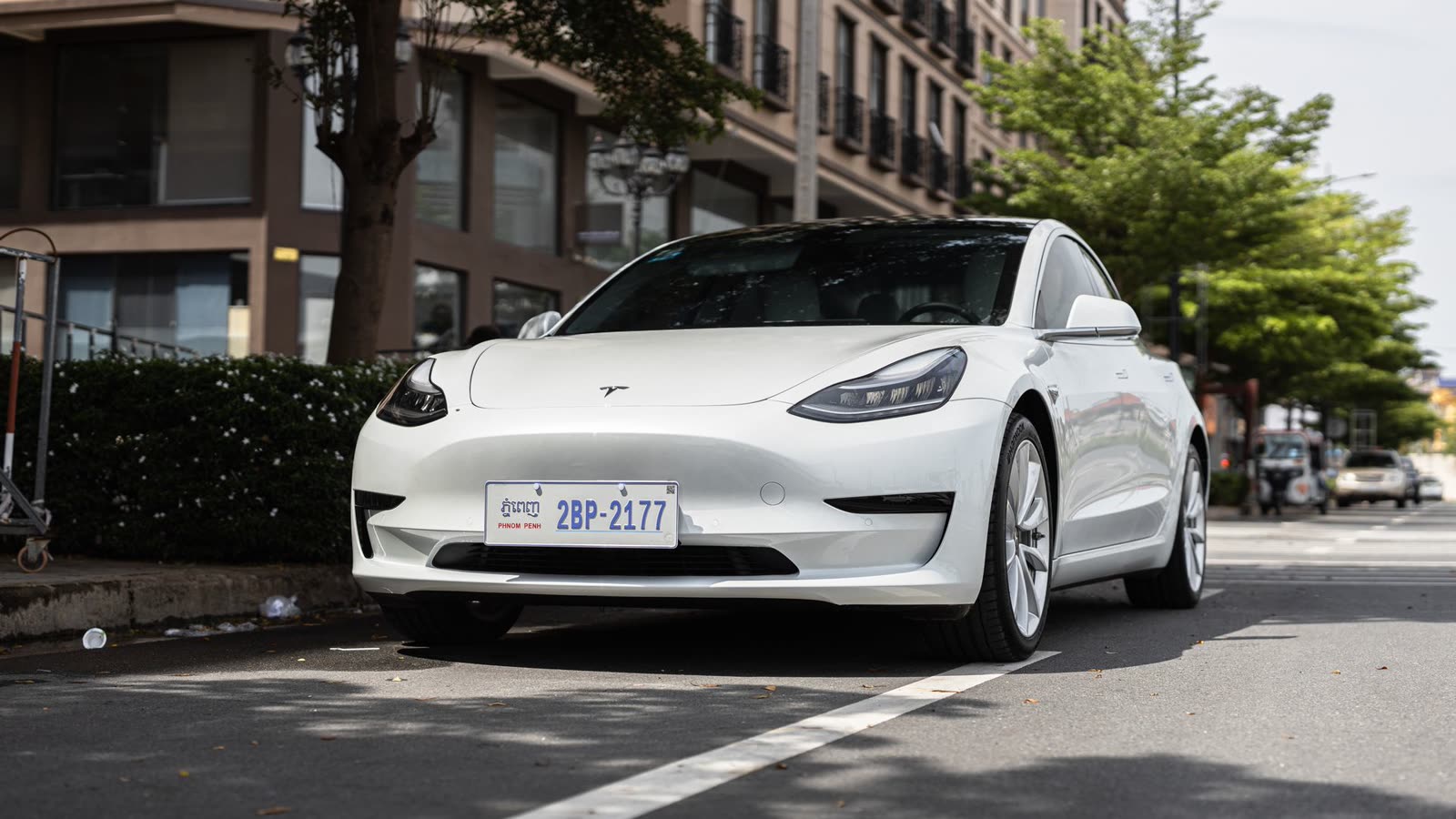
Tesla Model 3: the benchmark, still
The 2026 Tesla Model 3 Long Range starts at about $42,500 and delivers an EPA-estimated 363 miles of range — the best combination of range and price in the segment. The base Rear-Wheel Drive model starts near $38,000 with about 341 miles of range. Both charge on Tesla's Supercharger network, which remains the most reliable fast-charging network in the United States.
The Model 3 is quick, with the Long Range reaching 60 mph in about 4.9 seconds, and its minimalist interior will either delight you or frustrate you. Everything runs through the 15.4-inch touchscreen, including the mirrors and the glovebox, and there is no gauge cluster in front of the driver. Test drive one before you commit, because the interface is the most divisive part of the car.
Running costs are low: electricity for 12,000 miles a year costs roughly $500 to $700 at home rates, versus about $1,800 in gas for a 30-mpg sedan. Maintenance is minimal — no oil changes, and brakes last far longer thanks to regenerative braking. The trade-off is insurance, which runs higher than average for Teslas, and repair costs after an accident.
Chevrolet Equinox EV: the value pick
The 2026 Chevrolet Equinox EV starts at about $35,000, making it one of the cheapest electric SUVs with over 300 miles of range. The LT trim delivers an EPA-estimated 319 miles, and it qualifies for the full $7,500 federal tax credit, which can bring the effective price under $28,000 for eligible buyers.
The Equinox EV is a proper midsize SUV, not a small hatchback wearing SUV styling. Rear-seat legroom is generous, the cargo area holds 57 cubic feet with the seats folded, and the cabin is quiet at highway speed. It charges at up to 150 kW, adding about 70 miles in 10 minutes on a fast charger — not class-leading, but fine for most road trips.
Chevrolet's Google-based infotainment system works well, but the Equinox EV does not offer Apple CarPlay or Android Auto, which is a real drawback for many buyers. If you live inside the Google ecosystem, it is a non-issue; if you rely on CarPlay, test the built-in system carefully before you buy.
Hyundai Ioniq 5: the charging champion
The 2026 Hyundai Ioniq 5 starts at about $43,000 and remains the fastest-charging EV in its price class. Its 800-volt architecture allows charging at up to 258 kW, taking the battery from 10 to 80 percent in about 18 minutes at a capable fast charger. On a road trip, that is the closest any EV comes to a gas-station stop.
Range is competitive: the Long Range rear-wheel-drive model is EPA-rated at about 318 miles. The Ioniq 5 also offers a roomy, lounge-like interior with a flat floor, sliding rear seats, and vehicle-to-load capability that lets you power a laptop, a mini-fridge, or camping gear from the car's battery.
Hyundai's warranty is the best in the business — 10 years or 100,000 miles on the powertrain and battery. The Ioniq 5 is assembled in the United States for 2026, which helps with tax-credit eligibility on some trims. The main weakness is efficiency: it uses more energy per mile than the Model 3, so its real-world range advantage is smaller than the EPA numbers suggest.
More top EVs worth considering
The Kia EV6, the Ioniq 5's sibling, starts near $44,000 and shares the same ultra-fast 800-volt charging, with sportier handling and a more conventional dashboard layout. The GT trim delivers 576 horsepower and reaches 60 mph in 3.4 seconds, making it the performance bargain of the EV world.
The Ford Mustang Mach-E starts around $38,000 for 2026 and offers up to 320 miles of range in the Premium extended-range trim. It drives like a Ford — comfortable, quiet, and well-sorted — and it now has access to Tesla Superchargers with an adapter. The Mach-E is a good choice for buyers who want an EV that feels like a normal car.
The Honda Prologue, starting near $48,000, is Honda's first mainstream EV, built on General Motors' platform. It offers about 296 miles of range and a spacious, comfortable cabin, plus Honda's dealer network for service. The Rivian R1S, starting near $76,000, is the pick for buyers who want a true three-row electric SUV with off-road ability, though its price puts it in luxury territory.
Which EV should you actually buy?
If you want the longest range and the best charging network for the money, buy the Tesla Model 3 Long Range. If your budget is under $40,000 and you need SUV space, the Chevrolet Equinox EV is the value pick, especially with the tax credit. If you take road trips and hate waiting at chargers, the Hyundai Ioniq 5's 18-minute fast charge is worth the premium.
Before you buy any EV, answer two questions. First, can you charge at home? Home charging is where EVs save the most money and time — about $0.13 per kWh versus $0.40 or more at public fast chargers. If you rent or park on the street, check the fast chargers near you and make sure your car can use them.
Second, how much range do you actually need? A 250-mile EV covers a 60-mile daily commute for three days without charging, and most owners charge overnight anyway. Paying $8,000 more for 350 miles of range makes sense for frequent road-trippers, but for a second car or a city commuter, the cheaper, shorter-range model is often the smarter buy.
Frequently asked questions
What is the best electric car overall in 2026?
The Tesla Model 3 Long Range is the best all-around EV for most buyers, with 363 miles of EPA range, access to the Supercharger network, and a starting price near $42,500. The Chevrolet Equinox EV is the best value, and the Hyundai Ioniq 5 is the best for fast charging on road trips.
How much does it cost to charge an EV at home?
At the average US residential electricity rate of about $0.16 per kWh, a full charge of a 75-kWh battery costs about $12 and delivers roughly 250 miles. Driving 12,000 miles a year costs about $500 to $700 in electricity, versus about $1,800 in gas for a 30-mpg car at $3.50 a gallon.
Do EVs still qualify for the $7,500 tax credit in 2026?
Some do. The credit applies only to EVs assembled in North America that meet battery-component and critical-mineral sourcing rules, and there are income limits and price caps — $55,000 for cars and $80,000 for SUVs and trucks. Check the current eligible list before you buy, since it changes as manufacturers adjust sourcing.
How long do EV batteries last?
Most EV batteries are warrantied for 8 years or 100,000 miles, and real-world data shows they typically retain 80 to 90 percent of their capacity after 100,000 miles. Battery degradation is gradual, and full battery failure is rare. Expect a modern EV battery to outlast the car for most owners.
Are EVs cheaper to maintain than gas cars?
Yes. EVs have no oil changes, no exhaust system, no spark plugs, and brakes that last much longer thanks to regenerative braking. Studies estimate EV maintenance costs about half those of a comparable gas car over five years, saving roughly $1,000 to $1,500 in that period.
Can I road trip in an EV?
Yes, especially in a car with 250-plus miles of range and fast charging above 150 kW. Plan stops with apps like PlugShare or the car's built-in route planner, which accounts for charger locations and battery level. A 300-mile EV adds about 20 to 30 minutes of charging per 250 miles of highway driving.
Car prices and estimates on this page change often and are based on public information available in November 2026. Always verify the price, features and availability with a dealer before you buy. This article is for general information only and is not financial advice. Read the full Disclaimer.